Vietnam’s agriculture has transformed from a food-importing economy into a global export powerhouse. By 2025, Vietnam’s agro-forestry-fish exports are set to reach ~US$70 billion (up 12% in 2025), driven by booming coffee, seafood, rice and fruit shipments. Major markets are China, the US and Japan. Brazil and Thailand offer instructive comparators: Brazil now exports over US$100 billion in farm products annually, and Thailand about $52 billion (6% growth in 2024). Key lessons include: trade liberalization & market access, upgrading value chains, quality standards, and finance & insurance support. For each, we suggest concrete steps for African/emerging economies (e.g. using the AfCFTA, developing processing zones, investing in labs, expanding rural credit). Policymakers, businesses and partners should partner around these priorities to replicate Vietnam’s success.
Vietnam’s Export Boom: Data and Context
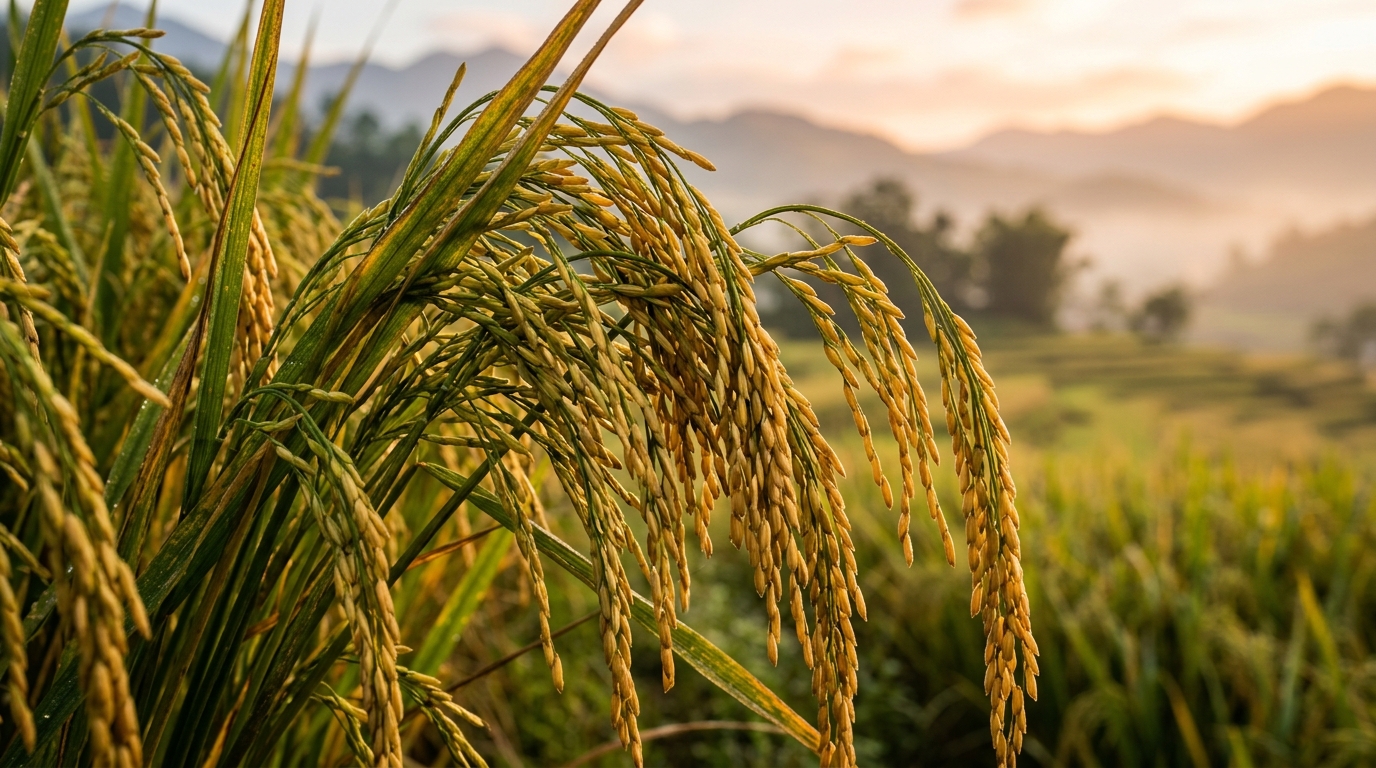
Vietnam’s agriculture-forestry-fish industry has grown explosively. Exports of “agricultural, forestry, and aquatic” products climbed from about US$48.6 billion in 2021 to $62.5 billion in 2024, and are projected near $70 billion in 2025. By product group, major shipments in 2025 include wood products ($11.6 billion), seafood (~$11.3 billion), coffee ($8.6 billion) and fruits/vegetables ($8.6 billion). In the first seven months of 2025 alone, Vietnam exported over 1.06 million tons of coffee worth ~$6 billion – the highest coffee export value ever. Rice exports likewise hit a record 9 million metrics tons ($5.7 billion) in 2024, as Vietnam climbed to be the world’s third-largest rice supplier.
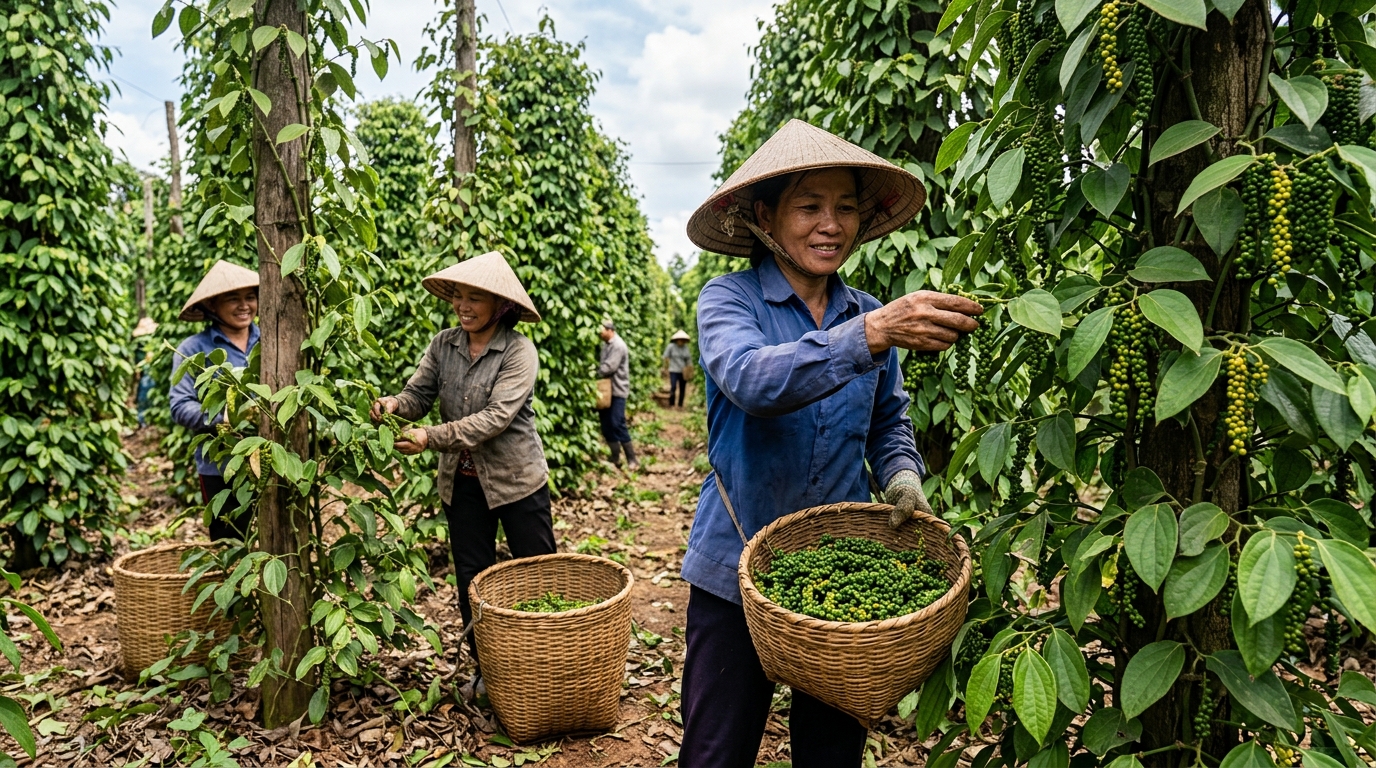
By market, Asia absorbs ~45% of Vietnam’s agro-exports (led by China, Japan), the Americas ~23% (led by the US), and Europe ~15%. Exports are broadly diversified: beyond staples like rice and rubber, Vietnam has built global niches (e.g. “ST25” premium rice winning world awards, durian exports jumped 50% in 2024, and Vietnam now accounts for ~60% of global pepper exports). The government’s active trade diplomacy (FTAs and market promotion) and private-sector dynamism have underpinned this surge.
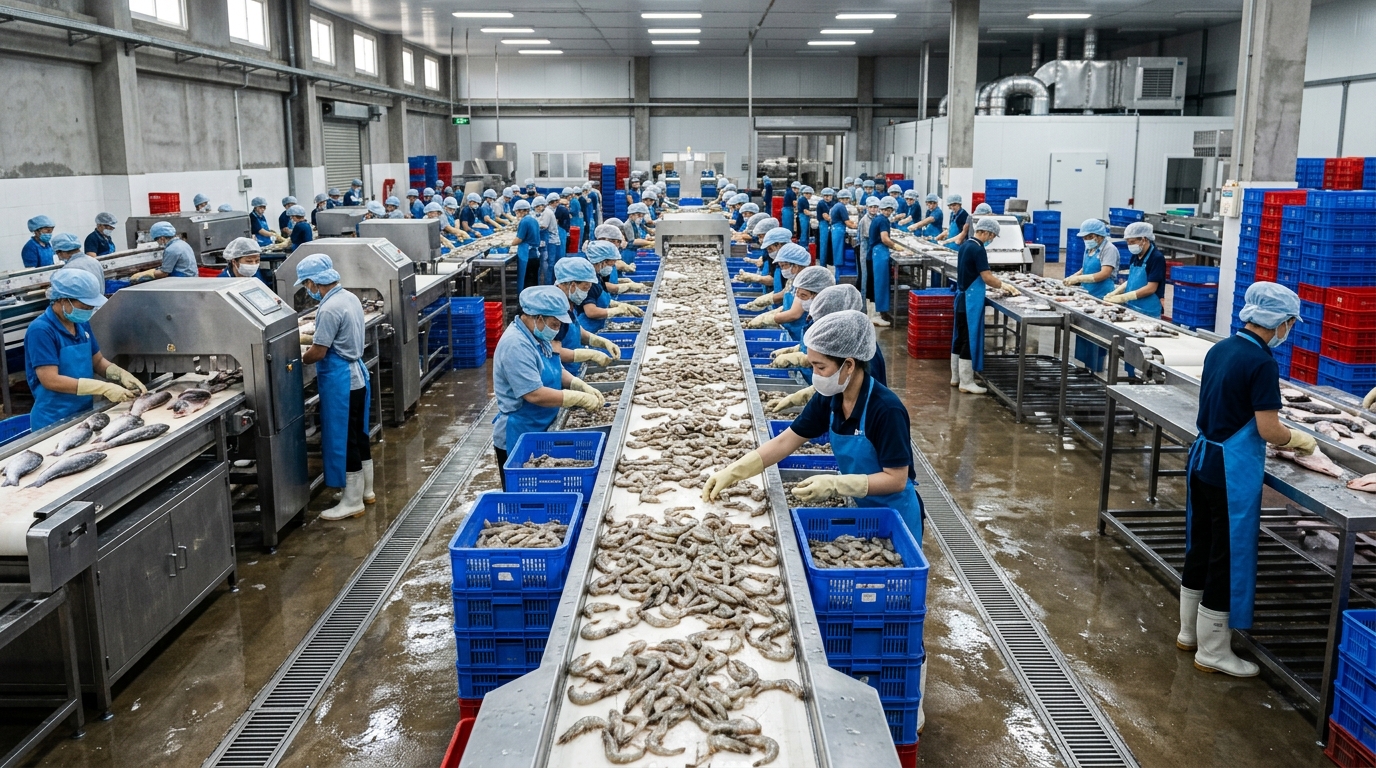
Vietnam’s fishery sector (e.g. pangasius processing) illustrates the export boom: in 2025 seafood exports reached $11.3 billion. The industry sustained ten export items above $1 billion in 2025, reflecting value-added growth as exporters move beyond raw commodities. Indeed, Vietnam now achieves high prices for products once seen as low-end: robusta coffee became the world’s highest-priced robusta, and Vietnamese rice fetches premiums in Japan and Korea. This export dynamism has made agriculture a trade surplus generator (~$20 billion surplus in 2025) and a pillar of Vietnam’s economy.
Comparative Snapshot: Vietnam vs. Other Exporters
The table below compares key metrics for Vietnam, Brazil and other emerging exporters (Thailand, India):
Country | Agri/Food Exports (US$ billion) | Recent Growth | Major Commodities (share of exports) | Value-added share | Top Markets |
Vietnam | ~62.5 (2024) | +19% in 2024 | Coffee, rice, seafood, cashews, pepper, fruits, wood | Medium (~60% primary/processed) | China, USA, Japan |
Brazil | >100 (2021–23) | Steady (trade +2–3%) | Soybeans, beef, poultry, sugar, coffee, cotton | High (22% processed vs. 56% raw) | China, USA, EU |
Thailand | 52.2 (2024) | +6% (2024) | Rice, rubber, sugar, cassava, tuna, pineapple | High (majority agro-industrial) | China, Japan, USA, Malaysia, Indonesia |
India | 51.2 (FY25) | –8% (FY23–24) | Rice, spices, cotton, sugar, oilseeds, tea, marine | Low (mostly raw exports) | USA, UAE, China, Bangladesh |
Sources: Data from national trade reports and OECD. All countries listed are among the world’s top agri-exporters, with Brazil’s agro-trade surplus (~$137 billion in 2023) underscoring the scale possible. Vietnam’s mix is notable for lower levels of processing – highlighting an opportunity to climb the value ladder.
Policy Reform Timeline
Vietnam’s reforms began with the 1986 Doi Moi transition to a market economy and land reforms, which unleashed smallholder production. Trade liberalization accelerated in the 2000s: Vietnam joined the WTO in 2007 and reduced tariffs through ASEAN and other FTAs. Major FTAs followed (CPTPP in 2019, EVFTA/UKFTA in 2020, RCEP in 2022), expanding market access. Throughout, the government also introduced agri-support measures (e.g. subsidized credit for rice farmers, export licensing reforms) to align domestic producers with global demand and standards.
Actionable Lessons for Africa and Emerging Markets
1. Trade integration & market access
Vietnam’s export leap owes much to open markets. African governments should actively use trade agreements (e.g. AfCFTA, bilateral FTAs) to slash tariffs and quotas. Vietnam’s accession to WTO (2007) and FTAs with the EU, CPTPP partners etc. demonstrably widened markets.
Concrete steps: Commit to AfCFTA implementation; negotiate agro-focused FTA chapters; reduce export licensing or quotas.
Private sector: Engage in export promotions and form producer associations (e.g. Vietnam Coffee/Cashew Associations) to coordinate market entry.
Donors/partners: Support negotiators and help build SPS compliance (e.g. fund improvements in customs/infrastructure and train regulators). (For example, Vietnam’s government has proactively “addressed tariff developments” and food-safety hurdles via MoUs and regulatory dialogues.)
2. Invest in value chains and processing
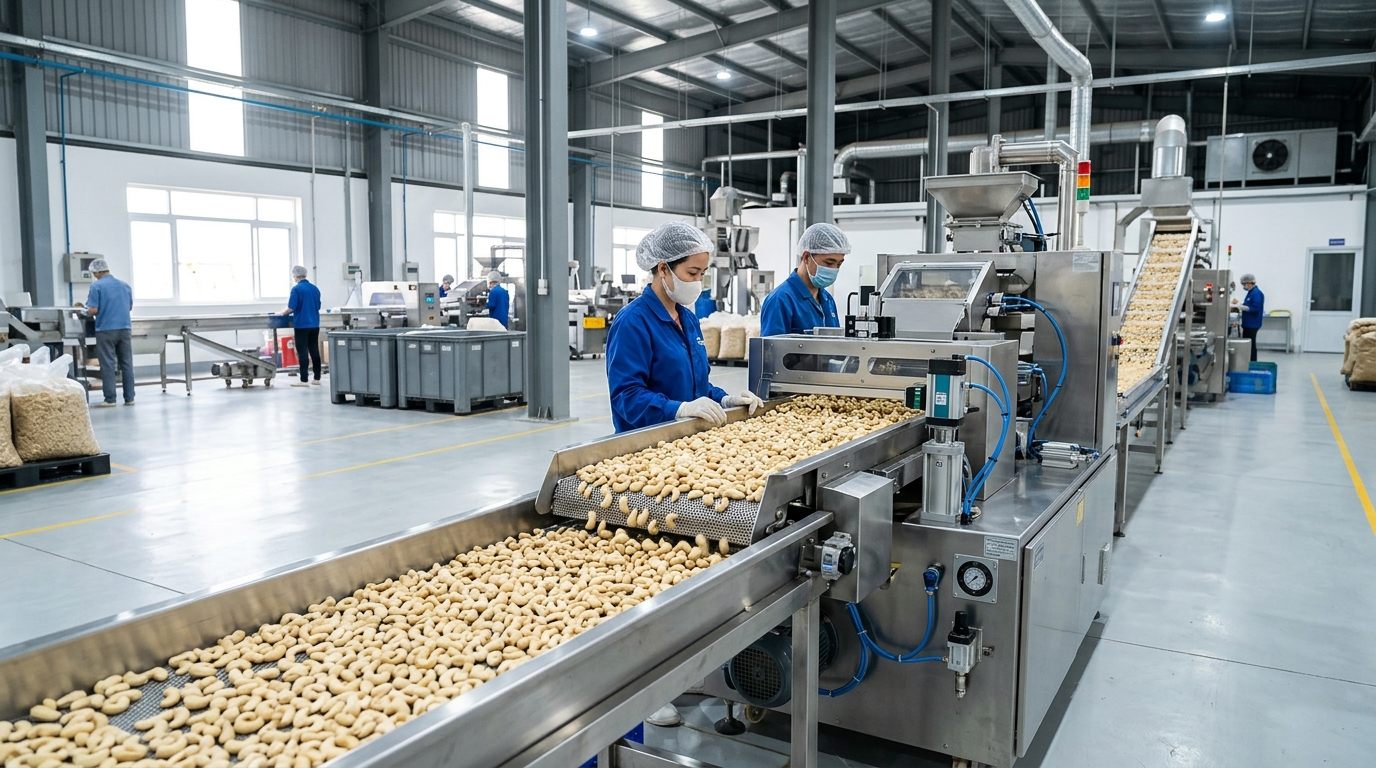
Moving beyond raw commodities adds value and resilience. Vietnam’s goal to increase fruit exports from $7.1 billion to $8 billion and seafood to $12 billion by 2025 depended on processing (e.g. frozen, canned, instant products). The country is also investing in plantation replanting (e.g. 110,000 ha of new coffee) to boost quality.
Concrete steps: Governments can create agro-industrial parks and subsidize machinery (rice mills, cold stores) to enable local processing.
Firms: Form cooperatives or contractual links (grower–processor chains) and pursue value-added products (e.g. dried fruits, packaged nuts, premium rice). Vietnam experts advise focusing on high-value product lines (e.g. frozen mango/durian exports).
Donors: Provide credit or guarantees for processing investments (e.g. World Bank agribusiness loans) and fund vocational training in agro-tech.
3. Strengthen quality standards and branding
International markets demand safety and quality. Vietnam’s experience shows the payoff of meeting strict standards: in 2025 regulators from Europe and China audited Vietnam’s seafood safety systems and export facilities, helping keep those markets open. Vietnam also developed branded “green/low-carbon rice” for niche markets and has won awards for premium varieties, boosting global demand.
Concrete steps: Governments must invest in quality infrastructure – e.g. certification labs, traceability systems and enforcement of food safety.
Private sector: Adopt global certifications (GlobalGAP, HACCP, Organic) and build country brands (like “Vietnam Rice”) to command better prices.
Donors/partners: Support standard-setting bodies and farmer training. For instance, FAO/WHO assistance on SPS regulations helped Vietnamese producers comply with EU/US norms. African exporters could likewise seek organic or Geographical Indication (GI) schemes to differentiate products.
4. Enhance finance and risk management
Access to affordable credit and insurance underpins farm investment and export growth. Vietnam provided subsidized lending to encourage high-quality rice cultivation (e.g. rice loans at –1% interest rate) and offers input subsidies to ease farmer costs.
Concrete steps: Governments should ensure rural credit programs (via public banks or mandated private-bank quotas) and expand crop insurance (like Vietnam’s ProAgro program) to shield farmers from weather price shocks.
Private sector: Develop agri-finance instruments (microloans, warehouse receipts, and agribonds) and credit unions for cooperatives.
Donors: Finance credit lines and technical assistance for agribusiness finance, and help establish agricultural insurance pools (drawing on multilateral insurer models).
5. Improve infrastructure and agricultural services
Finally, Vietnam’s gains were supported by better rural infrastructure and research. Its government heavily invested in irrigation and roads (the “Hydraulic Work Strategy”), and provided extension services and improved seeds regionally.
Concrete steps: Government: Invest in farm-to-market roads, ports, and irrigation to reduce post-harvest losses. Launch extension initiatives (mobile apps, demonstration farms) to teach new techniques.
Private: Partner in infrastructure (e.g. cold chains, pack-houses) and in public–private research (Vietnam’s agricultural science bidding model).
Donors: Fund infrastructure projects (e.g. African Development Bank rural roads) and agri-R&D (e.g. CGIAR collaboration) that build sustainable capacity.
Each of these lessons assumes the region scales appropriately (e.g. East Africa’s horticulture vs. Sahel’s staples) and will take several years to bear full fruit. But by applying Vietnam’s blueprint, adapted to local contexts, African and other emerging markets can chart accelerated paths to their own export-driven agricultural growth.
Discussion & Call to Action
African and emerging-market policymakers, agribusiness leaders and development partners should use these insights to forge partnerships and policy dialogues.
For example, governments could organize knowledge exchanges with Vietnam’s Ministry of Agriculture or leading agribusinesses.
Multilateral donors might fund joint Vietnam–Africa trade missions or technical assistance (e.g. on SPS compliance).
Private firms should explore joint ventures: Vietnamese investors have expertise in coffee, rice or processing that could be transferred to Africa.
Readers are encouraged to comment or connect, sharing experiences of trade diplomacy or value-chain development. Only through coordinated action, government reform, business innovation and international support, can emerging economies replicate Vietnam’s “export miracle” and unlock their own agrarian potential.
Deko Group supplies cassava starch in both food-grade and industrial-grade specifications, as well as crude and refined vegetable oils including soybean oil, sunflower oil, canola oil, corn oil and palm oil to importers and manufacturers worldwide. Built on a commitment to quality, consistency, and high-volume trade, we serve industrial buyers who value reliable sourcing, competitive supply, and seamless international logistics.
By Kosona Chriv
Sources
WTO Center (VCCI) – news releases on Vietnam’s agricultural exports (Jan. 2026 and Jan. 2025).
OECD (2024), Agricultural Policy Monitoring and Evaluation 2025 – country chapters on Vietnam and Brazil.
TheInvestor (Vietnam News Agency), “Thailand’s agricultural product exports surpass $52 bln in 2024”.
Hanoi Times, “Vietnam’s agriculture exports reach record $70 billion...” (Jan. 2026).
VietnamNet Global, “Vietnam’s agriculture powers ahead with world-leading exports” (Sept. 2025).
IBEF/APEDA (India), Agriculture and Food Industry & Exports (India FY2023–25 data).
Vietnam Ministry of Agriculture press releases (via Tridge/Agro.gov) on export targets
Vietnam’s agriculture exports reach record $70 billion amid shifting global trade
https://hanoitimes.vn/vietnam-s-agriculture-exports-reach-record-usd70-billion-amid-shifting-global-trade.951166.html
Vietnamese agricultural products in the top 10 exports
https://www.tridge.com/news/vietnamese-agricultural-products-in-the-top--kezajy
TTWTO VCCI - (News) Vietnamese agriculture maintains its pivotal role, with exports reaching nearly 70 billion USD
https://wtocenter.vn/chuyen-de/29502-vietnamese-agriculture-maintains-its-pivotal-role-with-exports-reaching-nearly-70-billion-usd
Brazil: Agricultural Policy Monitoring and Evaluation 2025 | OECD
https://www.oecd.org/en/publications/agricultural-policy-monitoring-and-evaluation-2025_a80ac398-en/full-report/brazil_43e67f35.html
Thailand’s agricultural product exports surpass $52 bln in 2024
https://theinvestor.vn/thailands-agricultural-product-exports-surpass-52-bln-in-2024-d14417.html
Vietnam’s agriculture powers ahead with world-leading exports
https://vietnamnet.vn/en/vietnam-s-agriculture-powers-ahead-with-world-leading-exports-2438265.html
TTWTO VCCI - Vietnam sets new records for agricultural exports in 2024
https://wtocenter.vn/an-pham/26813-vietnam-sets-new-records-for-agricultural-exports-in-2024
Viet Nam: Agricultural Policy Monitoring and Evaluation 2025 | OECD
https://www.oecd.org/en/publications/agricultural-policy-monitoring-and-evaluation-2025_a80ac398-en/full-report/viet-nam_954ff8cf.html
India: Leading Agricultural Product Exporters | Discover India's Agri-Export Growth
https://www.ibef.org/exports/agriculture-and-food-industry-india
Vietnam - Trade Agreements
https://www.trade.gov/country-commercial-guides/vietnam-trade-agreements